

Introduction
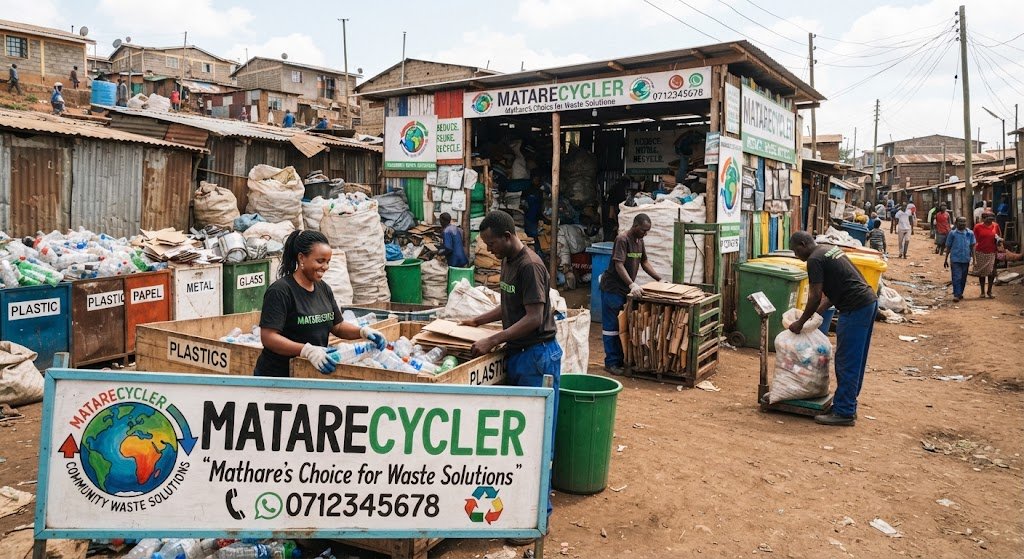
Sustainable waste management has become one of the most critical challenges of our modern era, prompting industries and communities to seek innovative solutions for resource recovery. At the forefront of this environmental shift is the matarecycler, a modern approach and specialized concept designed to streamline how we process discarded materials. Whether you are an environmental enthusiast, a municipal planner, or a business owner looking to reduce your ecological footprint, understanding modern recycling mechanisms is essential for fostering a circular economy. Traditional waste disposal methods often lead to overflowing landfills and severe environmental degradation, making advanced sorting and processing technologies more vital than ever before. By integrating efficient material recovery systems, we can drastically decrease greenhouse gas emissions and conserve finite natural resources for future generations. The primary intent behind exploring this topic is to uncover how smart mechanical interventions and eco-friendly protocols can transform everyday waste streams into valuable secondary raw materials. As global regulations tighten and consumer awareness rises, adopting these progressive strategies ensures both compliance and a genuinely positive impact on the planet.
Table Section
Understanding the Core Mechanics of Resource Recovery
The fundamental operation behind advanced material processing relies on a sophisticated sequence of mechanical separation, chemical analysis, and physical transformation. When unsorted waste enters a modern facility, it undergoes an initial coarse screening to remove oversized debris and hazardous items that could damage downstream machinery. Following this preliminary phase, automated optical sorters, magnetic separators, and eddy current devices work in tandem to categorize different polymers, metals, and paper grades with remarkable precision. This technological integration minimizes human exposure to dangerous materials while maximizing the purity of the recovered fractions. High purity levels are crucial because contaminated batches often get rejected by manufacturing plants, ultimately ending up as landfill waste anyway. Engineers continually refine these processing lines to handle composite materials that were once considered impossible to recycle efficiently. By mastering the underlying mechanics of material segregation, facilities can operate at peak capacity and ensure that almost nothing goes to waste.
The Economic Advantages for Modern Businesses
Adopting innovative recycling infrastructure yields substantial financial benefits for commercial enterprises that generate high volumes of production scrap or packaging waste. Disposing of industrial refuse through conventional municipal channels incurs escalating tipping fees and regulatory penalties that directly eat into corporate profit margins. When companies invest in efficient on-site processing or partner with advanced recovery facilities, they can transform liabilities into profitable revenue streams by selling clean commodity-grade materials back to the supply chain. Furthermore, corporate sustainability initiatives significantly enhance brand reputation among modern consumers who actively prefer environmentally responsible brands. Investors also favor organizations with robust environmental, social, and governance frameworks, leading to better access to capital and lower borrowing costs over the long term. Implementing these systems encourages lean manufacturing practices, as employees become more mindful of material efficiency and waste reduction during daily operations. Ultimately, environmental responsibility and economic profitability go hand in hand when organizations optimize their resource management pipelines.
Environmental Impact and Carbon Footprint Reduction
The ecological benefits of advanced material processing extend far beyond simple landfill diversion, playing a direct role in mitigating global climate change. Extracting virgin ores, harvesting timber, and synthesizing petroleum-based plastics demand massive amounts of energy and release staggering volumes of carbon dioxide into the atmosphere. Utilizing processed secondary materials requires a fraction of the energy input needed for primary production, resulting in an immediate reduction of greenhouse gas emissions. For instance, recycling aluminum saves up to ninety-five percent of the energy required to create new metal from bauxite ore. Similar energy savings apply to paper and plastic processing, which helps preserve natural ecosystems from deforestation and petroleum extraction disturbances. Cleaner processing methods also prevent toxic chemicals and microplastics from leaching into local groundwater supplies and fragile marine ecosystems. By closing the loop on material lifecycles, society moves closer to a sustainable equilibrium where economic development does not come at the expense of ecological health.
Technological Innovations Shaping the Future of Sorting
Artificial intelligence and machine learning have revolutionized the efficiency and adaptability of contemporary recycling infrastructure over the past few years. Modern sorting plants utilize high-resolution computer vision systems capable of identifying thousands of different product types and brand packaging in milliseconds. Robotic arms powered by neural networks can pick out specific items from fast-moving conveyor belts with a level of dexterity and speed that human workers simply cannot match. Continuous software updates allow these smart systems to adapt instantly when new packaging materials or consumer goods flood the market. Internet of Things sensors embedded throughout the machinery monitor equipment health in real-time, predicting maintenance needs before unexpected breakdowns can halt facility operations. These digital advancements drastically reduce operational downtime and ensure consistent throughput regardless of seasonal variations in waste composition. The convergence of hardware engineering and artificial intelligence guarantees that future processing plants will be smarter, faster, and infinitely more capable.
Overcoming Regulatory and Operational Challenges
Despite significant technological strides, the waste management sector still faces numerous hurdles ranging from complex regulatory frameworks to inconsistent public participation. Different regions enforce varying environmental standards, making it difficult for multinational corporations to implement standardized recycling protocols across all their operating facilities. Additionally, consumer confusion regarding proper sorting habits often leads to severe contamination of recyclable bins, rendering entire batches unusable at the processing plant. Public education campaigns supported by local governments and private enterprises are vital for fostering better habits at the household level and reducing contamination rates. Facility operators must also navigate stringent workplace safety regulations, as discarded batteries and pressurized containers can cause dangerous fires within processing facilities. Collaboration between policymakers, industry leaders, and community stakeholders remains the most effective path forward for resolving these systemic challenges and streamlining global resource recovery.
The Role of Consumer Awareness and Behavior
Individual choices at the household and community levels exert a massive influence on the overall success of any large-scale recycling ecosystem. When consumers take the time to rinse out food containers, flatten cardboard boxes, and separate different polymer types, they directly ease the burden on downstream processing facilities. Unfortunately, “wishcycling”—the habit of throwing non-recyclable items into the recycling bin out of optimism—causes immense operational delays and damages sorting machinery. Clear, universally understood labeling on product packaging helps eliminate guesswork and empowers shoppers to make responsible disposal decisions instantly. Grassroots community initiatives and school programs plant the seeds of environmental stewardship in younger generations, ensuring that sustainable habits become second nature. When communities feel a sense of ownership over their local waste management outcomes, participation rates soar and overall environmental cleanliness improves dramatically. Collective action amplifies the impact of industrial innovations, proving that everyday citizens are indispensable partners in the journey toward a circular economy.
Future Trends and Global Sustainability Goals
Looking ahead, the global push toward net-zero carbon emissions will continue to drive unprecedented innovation within the resource recovery and manufacturing sectors. Governments worldwide are implementing extended producer responsibility laws that legally obligate manufacturers to take back and recycle their products at the end of their lifecycle. This paradigm shift forces design engineers to prioritize recyclability from the very beginning of the product development stage, rather than treating end-of-life disposal as an afterthought. Chemical recycling technologies are also emerging as a powerful supplement to mechanical methods, allowing complex or degraded plastics to be broken down into their original molecular building blocks. As these emerging technologies mature and scale commercially, the definition of waste will fundamentally change from a troublesome burden into a valuable resource. Embracing these forward-thinking approaches ensures that our global economy can thrive sustainably for generations to come without exhausting the planet’s finite life support systems.
FAQs
What is the primary purpose of a modern material recycling system?
The main objective is to efficiently separate, process, and recover usable materials from municipal and industrial waste streams, diverting them away from landfills and reintegrating them into the manufacturing supply chain.
How do automated sorting technologies improve recycling rates?
Automated systems use high-speed optical scanners, artificial intelligence, and robotics to identify and categorize materials much faster and with greater accuracy than manual human sorting, drastically reducing contamination.
Can all types of plastic be processed through these systems?
Not all plastics are easily processed; rigid plastics like PET and HDPE are widely accepted and recycled, whereas multi-layered films and flexible packaging often require advanced chemical recycling methods.
Why is consumer contamination a major issue for recycling plants?
When non-recyclable items, hazardous materials, or food-tainted packaging end up in recycling bins, they can jam sorting machinery, ruin clean batches of materials, and increase operational costs for facilities.
How does recycling contribute to the reduction of greenhouse gases?
Using processed secondary raw materials requires significantly less energy compared to extracting and refining virgin raw materials from the earth, which directly translates to lower industrial carbon emissions.
Conclusion
Navigating the complexities of modern waste management requires a harmonious blend of advanced technology, regulatory support, and conscious consumer participation. As we have explored throughout this guide, innovative material processing systems serve as the backbone of a true circular economy, turning discarded items into valuable economic assets. By prioritizing resource recovery over traditional landfill disposal, industries can slash their carbon footprints while unlocking new avenues for sustainable growth and operational efficiency. However, technology alone cannot solve the global waste crisis; it must be supported by widespread public education, clear product labeling, and responsible individual habits. Every correctly sorted item and every business investment in cleaner infrastructure brings us one step closer to environmental stability. Embracing these progressive solutions today ensures a cleaner, healthier, and more prosperous world for all upcoming generations.