

Introduction
Navigating digital portals in a modern school district can sometimes feel overwhelming for students, parents, and educators alike. To simplify online access across various educational tools, the district relies on a centralized login infrastructure known as Conroe ISD SSO. This single sign-on platform allows users to log in once using a secure set of credentials to gain instant access to multiple learning management systems, gradebooks, and digital textbooks without needing separate passwords for each application. Whether you are a student preparing for daily assignments, a teacher uploading lesson plans, or a parent monitoring academic progress, understanding how this portal operates is essential for a smooth school year. Technological integration in education aims to reduce administrative friction and maximize instructional time in the classroom. However, technical hiccups or forgotten passwords can sometimes disrupt the flow of learning. The primary intent behind exploring this topic is to provide a clear, step-by-step roadmap for accessing the portal, managing account security, and troubleshooting common login errors effectively. Embracing these digital tools ensures that everyone stays connected and focused on academic success.
Table Section
Understanding the Core Architecture of Single Sign-On
Single sign-on architecture fundamentally changes how educational institutions manage digital security and user authentication across vast networks. Instead of forcing users to remember a dozen different passwords for learning applications, library databases, and testing platforms, the district centralizes authentication into one secure gateway. When a user enters their credentials into the primary portal, the system generates a secure token that verifies their identity across all integrated third-party software. This seamless integration eliminates password fatigue, which is a major cause of security breaches and frustrated users in educational settings. Furthermore, district IT administrators can enforce robust security policies, such as multi-factor authentication, at a single entry point rather than across dozens of individual apps. The underlying technology relies on industry-standard protocols like SAML and OAuth to ensure data privacy and compliance with student protection laws. Understanding this framework helps users appreciate why keeping their primary district password secure is so crucial for overall network safety.
Step-by-Step Login Procedures for Students and Staff
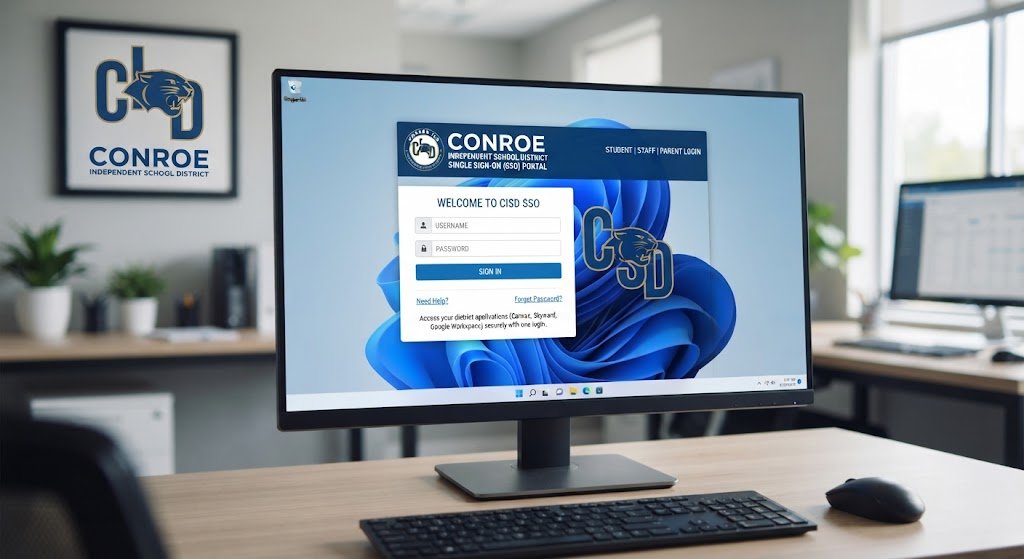
Accessing the district’s digital ecosystem requires following a straightforward sequence of steps designed to protect user data while ensuring fast connectivity. Users should begin by opening a secure web browser on a district-issued device or a personal computer connected to the internet. Navigating directly to the official district website or the dedicated login portal page brings up the secure authentication prompt. Students and staff must enter their assigned district username and designated password into the corresponding fields carefully. Once authenticated, the landing page displays a customized dashboard containing icons for all authorized applications, ranging from digital textbooks to collaboration software. It is always best practice to log out completely and close the browser window when finished, especially when using shared computers in school libraries or labs. Following these routine procedures prevents unauthorized access and keeps personal academic records safe from prying eyes.
Troubleshooting Common Access and Password Errors
Even the most robust digital systems occasionally present hurdles, and knowing how to troubleshoot login errors saves valuable time during the school day. One of the most frequent issues users encounter is an incorrect password error, which often stems from accidental typos or caps lock being enabled. If a password is forgotten, users should utilize the official district self-service password reset tool rather than guessing repeatedly and locking their account. Browser cache and cookie accumulation can also interfere with portal redirection, making it necessary to clear browsing data or try an incognito window. Network connectivity drops or school firewall restrictions may occasionally prevent the authentication server from loading properly. If technical problems persist after trying basic troubleshooting steps, reaching out to the school’s media specialist or the district technology help desk is the recommended course of action. Being patient and methodical helps resolve most digital roadblocks quickly and efficiently.
Enhancing Account Security and Privacy Best Practices
Digital security is a shared responsibility, and every member of the school community must practice good cyber hygiene to protect sensitive data. Passwords should be kept strictly confidential and never shared with classmates, friends, or unauthorized individuals under any circumstances. Creating strong passwords that combine uppercase letters, lowercase letters, numbers, and symbols makes unauthorized guessing significantly more difficult for malicious actors. Users should also be vigilant against phishing attempts, which involve fraudulent emails or messages attempting to mimic district communications to steal login credentials. The district will never ask for a user’s password via an unverified email or phone call. Logging out of shared devices immediately after use ensures that no one else can access personal educational tools or confidential grade records. Prioritizing cybersecurity safeguards the entire learning community against potential digital threats.
Integrating Third-Party Learning Apps and Tools
The true power of a centralized portal lies in its ability to connect users with a wide variety of third-party educational applications seamlessly. Once authenticated through the main gateway, students can launch specialized math programs, reading platforms, and science simulations without entering additional login credentials. Teachers benefit from this integration by being able to assign digital homework and track student engagement across multiple software platforms from a single dashboard. This streamlined approach minimizes transition times between different digital activities during class, keeping students engaged and focused on the lesson material. District administrators carefully vet all integrated applications to ensure they meet strict educational standards and data privacy regulations before adding them to the portal. As educational technology continues to evolve, new tools are regularly incorporated into the ecosystem to enhance classroom instruction and remote learning capabilities alike.
Supporting Remote Learning and Home Access
Modern education extends far beyond the physical boundaries of the classroom, making reliable home access a critical component of academic success. Students who are home sick or completing evening assignments can log into the portal from any internet-connected computer or tablet. This continuity ensures that learning does not stop when the school bell rings, allowing students to review materials, communicate with teachers, and submit projects on time. Parents can also utilize home access portals to review attendance records, check report cards, and communicate directly with educators regarding their child’s progress. Ensuring that home devices meet basic system requirements and have updated web browsers prevents compatibility issues during remote learning sessions. District support teams provide online guides and resources to help families set up home networks and troubleshoot minor connection glitches independently. Bridging the gap between school and home fosters a collaborative learning environment where students receive consistent support from all sides.
Future Enhancements and Digital Infrastructure Growth
Educational technology is a rapidly moving target, and school districts continually upgrade their digital infrastructure to meet the demands of modern learners. Future developments for the portal ecosystem include more intuitive mobile applications, enhanced artificial intelligence tools for personalized learning, and even tighter security protocols. District technology planners gather feedback from teachers, students, and parents to identify pain points and implement user-friendly updates regularly. As cloud-based computing becomes the industry standard, the reliance on physical school servers decreases, leading to faster loading times and greater system reliability. Investing in robust digital infrastructure ensures that students graduate with the technological literacy required in higher education and the modern workforce. Staying informed about these upcoming enhancements helps the entire school community adapt smoothly to new digital tools as they are rolled out across the district.
FAQs
What is the primary purpose of the district single sign-on portal?
It allows students, teachers, and staff to log in once using a single set of credentials to access multiple educational applications, learning management systems, and digital textbooks securely.
How can a student reset a forgotten password?
Users can utilize the official district self-service password reset utility or contact their school’s technology support desk for assistance with credential recovery.
Can parents access the student portal to check grades?
Yes, parents have dedicated portal access to monitor attendance, view report cards, track assignments, and communicate with teachers regarding academic progress.
What should I do if the login page fails to load properly?
Try clearing your browser cache, switching to a different web browser, checking your internet connection, or attempting access from an incognito window.
Are third-party learning apps safe to use through the portal?
Yes, all integrated software applications are thoroughly vetted by district administrators to ensure they meet strict student data privacy and security standards.
Conclusion
Navigating the digital landscape of a modern school district is made significantly easier through the implementation of centralized authentication systems. By consolidating multiple logins into a single secure gateway, students, teachers, and parents save valuable time and enjoy seamless access to essential educational tools. Understanding proper login procedures, practicing good cybersecurity habits, and knowing how to troubleshoot minor technical glitches ensure a stress-free digital experience throughout the academic year. As technology continues to evolve and play a larger role in education, staying informed and adaptable remains key to making the most of these digital resources. Collaboration between students, families, and district IT staff creates a secure and productive learning environment both inside and outside the classroom. Embracing these digital systems today paves the way for a more organized, connected, and successful educational journey for every student.