

Introduction
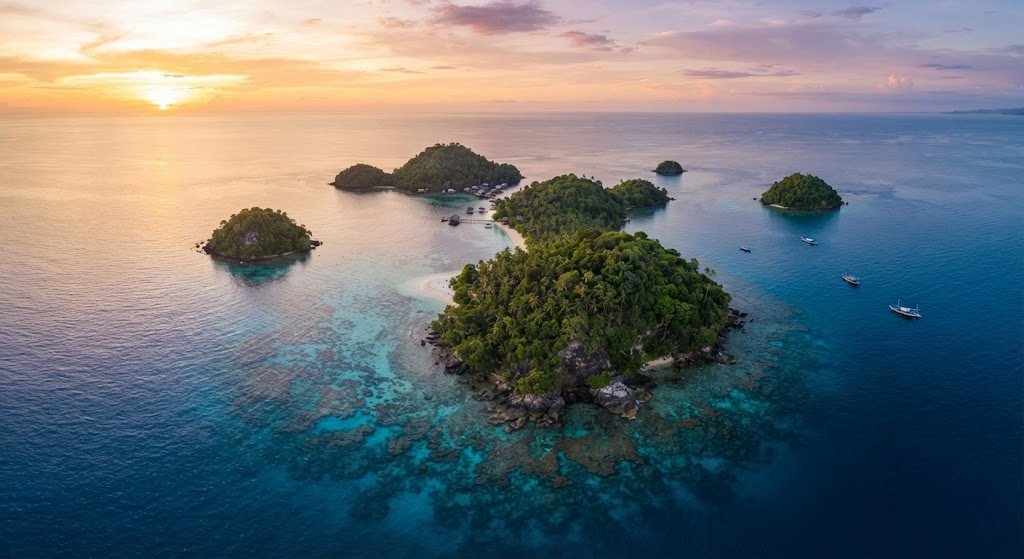
Hidden far away from mainstream travel lanes and commercial resorts, the Lucipara island group forms a remarkably isolated cluster of coral reefs and tiny atolls in the heart of Indonesia’s Banda Sea. Positioned roughly 200 kilometers south of Ambon within the wider Maluku region, this remote maritime frontier is entirely detached from standard tourist infrastructure. There are no airports, hotels, or permanent towns lining its shores, leaving the territory in a deeply pristine and natural state. For dedicated marine researchers, underwater naturalists, and adventurous travelers willing to undertake multi-day sea journeys, Lucipara represents a fascinating glimpse into an untouched eastern Indonesian ecosystem. Understanding the geography, wildlife dynamics, and logistical realities of this isolated chain sheds light on why these distant reefs remain one of the region’s most closely guarded natural sanctuaries.
Table Section
| Feature | Overview & Details |
| Geographic Location | Central Banda Sea, Maluku Islands, Indonesia (approx. 200 km south of Ambon) |
| Island Composition | Main atoll components include Pulau Selatan, Pulau Kaurangka, and Pulau Mai |
| Primary Ecosystems | Vertical reef walls, shallow coral flats, and deep-sea oceanic drop-offs |
| Key Wildlife | Large populations of green and hawksbill sea turtles, reef sharks, and pelagic fish |
| Accessibility | Accessible primarily via specialized liveaboard vessels during favorable monsoon transitions |
Geographic Isolation and Remote Setting
The physical positioning of these coral formations within the expansive Banda Sea creates an extreme sense of isolation. Surrounded by open ocean for hundreds of miles, the archipelago sits far removed from the bustling ports and commercial shipping lanes that define much of western Indonesia. This profound geographic detachment means that visitors cannot rely on local ferry networks or standard public transport to arrive. Instead, reaching the atolls requires long maritime expeditions, often taking upwards of half a day or more by boat from primary hubs like Ambon. The absence of permanent civilian settlements adds to this remote character, as the islands stand empty of human noise and structural development. While occasional fishers or traditional landowners visit temporarily to harvest coconuts or target pelagic species, the lack of continuous habitation preserves the wilderness quality of the landscape.
Submerged Volcanic and Geological Origins
While the landmass visible above the surface appears modest, the underwater topography tells a dramatic geological story. The atolls sit atop massive underwater mountains that ascend steeply from the abyssal depths of the Banda Sea floor, rising more than a mile upward from the seabed. This sheer verticality influences the surrounding marine environment, creating deep trenches, narrow channels, and dramatic drop-offs close to the shore. The tectonic history of the wider Banda block involves complex interactions between major continental margins, contributing to the rugged underwater relief. These submerged mountain structures channel deep ocean currents toward the surface, driving nutrient exchange that directly supports the rich biological activity thriving along the coral walls and shallow reef flats.
Marine Biodiversity and Coral Wall Ecosystems
The underwater realm surrounding the island group is defined by exceptional visibility and resilient coral ecosystems. Because the reefs drop off sharply into deep blue water, divers and snorkelers can transition instantly from bright, sunlit reef crests to profound pelagic drop-offs. Hard coral colonies thrive across the shallow flats and steep slopes, showing remarkable durability against thermal shifts and environmental stressors. Marine surveys frequently record schools of large pelagic predators, including giant trevally, barracuda, unicornfish, and reef sharks patrolling the current lines. Night dives in the area also reveal unique biological phenomena, such as flashlight fish glowing along the dark structural walls, highlighting the rich ecological diversity hidden beneath the surface.
Sea Turtle Sanctuaries and Nesting Habitats
One of the most defining ecological attributes of the archipelago is its status as a major haven for marine turtles. The white sandy beaches and protected shallows serve as vital nesting and feeding grounds for hundreds of green turtles and hawksbill turtles. During high tides and seasonal nesting periods, extensive tracks line the shorelines, illustrating active generational cycles largely undisturbed by urban development. Snorkelers navigating the warm shallow waters often encounter dozens of turtles resting near the coral heads or grazing on marine vegetation. Protecting these undisturbed nesting beaches remains crucial for the wider conservation of sea turtle populations across eastern Indonesian waters.
Maritime History and Historical Shipwrecks
Beyond its natural marine wealth, the territory holds notable accounts within Dutch colonial maritime history. A prominent historical event occurred in May 1837, when the Dutch steamship Willem I struck a submerged reef while navigating toward Ambon. Over one hundred passengers and crew members—including high-ranking colonial officials, soldiers, and families—managed to escape onto a small dry patch of the coral reef. Historical documentation notes that these survivors endured a remarkable 37-day wait on the isolated atoll before rescue vessels finally arrived. This dramatic episode underscores the long-standing hazards that these hidden reefs presented to early steamships navigating the treacherous waters of the Banda Sea.
Expedition Logistics and Travel Practicalities
Visiting such an isolated oceanic destination requires meticulous planning and self-sufficiency. Because no commercial tourism infrastructure, hotels, or restaurants exist on the islands, travelers must utilize specialized liveaboard dive vessels that carry all necessary food, water, fuel, and safety equipment. Weather windows heavily dictate accessibility, with safe sea travel generally restricted to narrow seasonal periods around the transition of the regional monsoons. Navigating sudden open-ocean swells, strong tidal currents, and unpredictable weather patterns demands experienced captains and robust expedition vessels. Consequently, journeys into this area are typically organized as specialized voyages for dedicated wildlife photographers, experienced scuba divers, and marine researchers.
Conservation Value and Future Outlook
As human pressures mount across global marine ecosystems, remote island groups like these retain immense value as ecological reference points. Their physical isolation has largely shielded them from destructive overfishing, coastal pollution, and mass tourism pressures that degrade populated shorelines. Regional conservation bodies have increasingly recognized the importance of safeguarding these waters, proposing enhanced marine protected area statuses to secure the future of local shark, turtle, and coral habitats. Balancing traditional community claims with modern environmental management will be essential to ensuring that these pristine atolls remain a thriving sanctuary for eastern Indonesia’s diverse marine life.
FAQs Section
-
Where are the Lucipara Islands located?
They are situated in the central region of Indonesia’s Banda Sea, approximately 200 kilometers south of Ambon within the Maluku Islands.
-
Can tourists visit the islands easily?
No, regular ferry services and public transport do not run to the area. Visits are restricted to specialized liveaboard dive or expedition boats during calm weather windows.
-
Are people living on the islands?
The atolls are permanently uninhabited, though occasional traditional land claimants and fishers visit temporarily to harvest coconuts or catch pelagic fish.
-
What wildlife is commonly seen there?
The area is renowned for high populations of green and hawksbill sea turtles, reef sharks, giant trevally, and vibrant hard coral ecosystems.
-
What historical event is associated with the location?
In 1837, the Dutch steamship Willem I struck a local reef, stranding its passengers and crew on the isolated atoll for 37 days before rescue.
Conclusion
Exploring the remote waters of the Banda Sea reveals a rare snapshot of untouched marine wilderness. From steep volcanic walls and thriving coral gardens to bustling sea turtle nesting beaches, the ecosystem functions far away from the pressures of modern commercial development. While the logistical challenges of reaching such a distant destination mean it will never become a mass tourism hotspot, its true worth lies precisely in that isolation. Maintaining the ecological integrity of these isolated reefs requires continued respect for natural seasonal cycles and proactive conservation frameworks. Ultimately, safeguarding these remote waters ensures that their unique biodiversity and rich maritime history endure for generations to come.