

Introduction
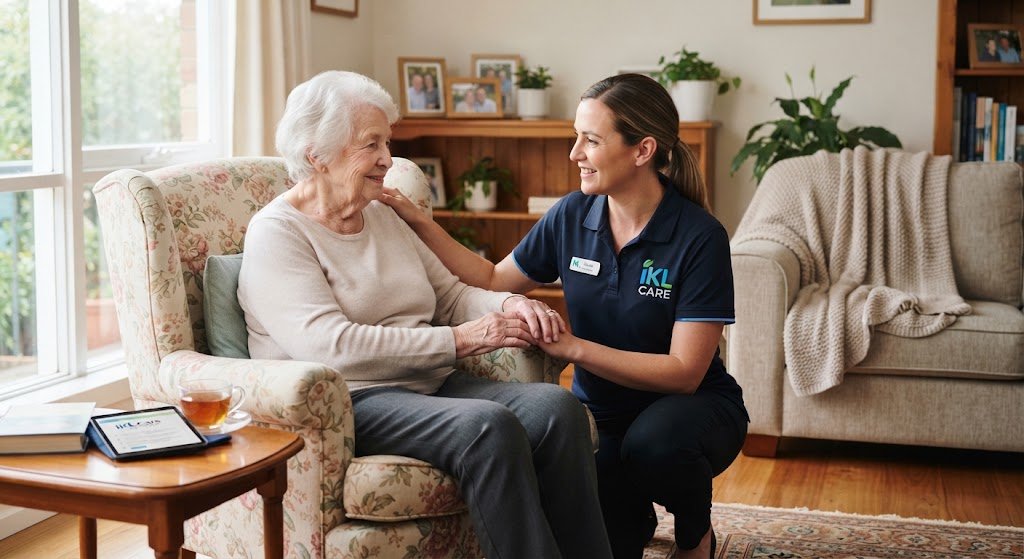
Navigating the complexities of finding dependable domestic support for elderly relatives or individuals with distinct needs requires careful planning and deep trust. Families often look for professional solutions that balance medical safety with personal dignity, ensuring that loved ones can remain comfortable in their own residences. Tailored domestic assistance bridges the gap between total independence and institutional placement, offering customized daily schedules overseen by trained practitioners. Established providers in the community focus heavily on personalized attention, building structured routines that adapt to evolving medical and emotional requirements. Organizations like IKL Care exemplify this localized approach by designing flexible support programs rooted in compassion, transparency, and collaboration. Examining how modern home assistance operates provides families with the clarity needed to make informed, empowering decisions for their households.
Table Section
| Service Category | Typical Daily Assistance & Scope | Primary Beneficiaries |
| Personal Hygiene Support | Assistance with showering, bathing, grooming, and dressing | Elderly adults or individuals with mobility challenges |
| Medication Management | Timely reminders, safe administration, and prescription tracking | Patients managing chronic illnesses or complex regimens |
| Nutritional Support | Meal preparation, feeding assistance, and kitchen cleanup | Individuals needing tailored dietary or hydration routines |
| Community Engagement | Accompanied shopping trips, medical visits, and social outings | Those wanting to maintain active, independent lifestyles |
Evolution of Modern Domiciliary Support
The philosophy behind home-based assistance has shifted dramatically away from generalized institutional models toward highly customized, client-led frameworks. Historically, individuals requiring daily living assistance had few choices outside of residential facilities, which often limited personal autonomy and daily routines. Today, modern domiciliary models prioritize keeping people within familiar surroundings, surrounding them with personal mementos, neighbors, and community ties. This evolution relies on continuous consultation, ensuring that the recipient and their family dictate everything from visit timings to specific care goals. Providers emphasize collaborative planning, which enhances emotional well-being and reduces the anxiety commonly associated with transitioning into assisted living arrangements.
Core Principles of Person-Centred Assistance
At the heart of high-quality domestic aid lies an unwavering commitment to individual choice, respect, and dignity. Person-centred models treat every recipient as an independent agent rather than a passive recipient of medical routines, integrating personal preferences into every aspect of service delivery. For example, morning schedules are structured around a person’s natural waking habits rather than a rigid corporate timetable, whether that means an early rise for breakfast or a slower start to the day. Staff members receive specialized training to listen actively, honor personal boundaries, and encourage clients to complete tasks independently wherever safe. This philosophy fosters mutual trust, strengthens psychological health, and empowers individuals to maintain a strong sense of self-worth.
Tailored Daily Living Routines and Visit Structures
Comprehensive home assistance is typically broken down into distinct, manageable daily visits designed to cover all vital aspects of health and household management. Morning calls often involve personal hygiene support, medication administration, and fresh breakfast preparation, setting a positive tone for the day ahead. Midday and teatime check-ins ensure proper hydration, nutritional intake, and safe mobility around the home, while evening visits focus on winding down, supper preparation, and safe preparation for bed. For households requiring continuous oversight, overnight stays or live-in options offer reassurance to families. Each visit is meticulously logged and reviewed, allowing care teams to spot subtle shifts in health status and adjust routines proactively.
Promoting Social Inclusion and Community Access
Maintaining a high quality of life extends far beyond physical health and medication schedules into active community participation and social connection. Isolation poses a major risk to vulnerable or elderly individuals living alone, often leading to cognitive decline and diminished emotional wellness. Modern support frameworks actively encourage clients to step outside their homes, whether that involves attending local social clubs, visiting family, or running routine errands like grocery shopping and hair appointments. Support workers accompany clients on these outings to provide physical stability, handle logistics, and offer friendly companionship. By keeping individuals connected to the outside world, these programs help preserve vibrant hobbies and lifelong community bonds.
Rigorous Staff Training and Quality Assurance
The reliability of any home assistance network rests entirely on the competence, empathy, and professional integrity of its support personnel. Organizations dedicated to excellence enforce strict vetting procedures, including comprehensive background checks, security clearances, and professional reference evaluations. Beyond initial hiring requirements, ongoing education programs keep staff updated on modern health standards, moving and handling techniques, and specialized condition management. Regular performance reviews, shadowing shifts, and unannounced quality checks ensure that high standards remain consistent across all service packages. When support workers feel valued and thoroughly trained, they project a reassuring, confident presence inside the client’s home.
Navigating Funding and Arranging Care Packages
Securing the right domestic support package involves understanding local social work pathways, private funding options, and eligibility criteria. Families often begin by contacting local authority social services for a formal needs assessment or reaching out directly to private providers for an independent evaluation. A thorough assessment reviews daily challenges, medical history, environmental safety, and personal goals to design an accurate cost and hours estimation. Transparent pricing structures and clear guidelines help families navigate financial options without unexpected hurdles. Engaging early with care coordinators also allows agencies to arrange emergency coverage rapidly, often establishing tailored support plans within forty-eight hours when urgent situations arise.
The Future of Community-Based Support Networks
As demographics shift and aging populations grow globally, the demand for flexible, high-standard domestic care models continues to expand rapidly. Innovations in remote health monitoring, digital care-logging apps, and mobile communication tools are streamlining how families and providers coordinate daily updates. However, the core of successful assistance remains fundamentally human, relying on empathy, attentive listening, and real personal connection. Future developments will likely focus on bridging advanced digital health tracking with compassionate, face-to-face delivery. By prioritizing localized accountability and respectful support structures, communities can ensure that aging or vulnerable individuals live out their years with dignity, comfort, and absolute peace of mind.
FAQs Section
-
What types of services are included in home care packages?
Packages typically cover personal hygiene, medication reminders, meal preparation, domestic chores, and accompanied outings to medical or social appointments.
-
How quickly can a home support plan be set up?
In many urgent scenarios or private arrangements, initial assessments and tailored care plans can be organized within 48 hours or less.
-
Can care recipients choose their daily visit schedules?
Yes, person-centred providers consult closely with families and clients to design visiting times that fit naturally into established daily habits.
-
Are home support workers professionally vetted and trained?
Reputable providers require thorough background security screenings, formal professional references, and continuous internal training programs for all staff.
-
How do I arrange care for an elderly family member?
You can contact local social work services for an official needs assessment or reach out directly to a private registered care provider to discuss options.
Conclusion
Selecting the right partner for domestic assistance is a deeply personal decision that shapes the daily comfort and safety of vulnerable family members. By focusing on flexible schedules, individual autonomy, and highly trained support teams, modern care providers make it possible for aging individuals to thrive in familiar surroundings. Emphasizing transparent communication and rigorous quality checks ensures that households experience genuine peace of mind. Ultimately, investing in personalized home support preserves personal dignity and strengthens the vital social bonds that sustain communities through every stage of life.