

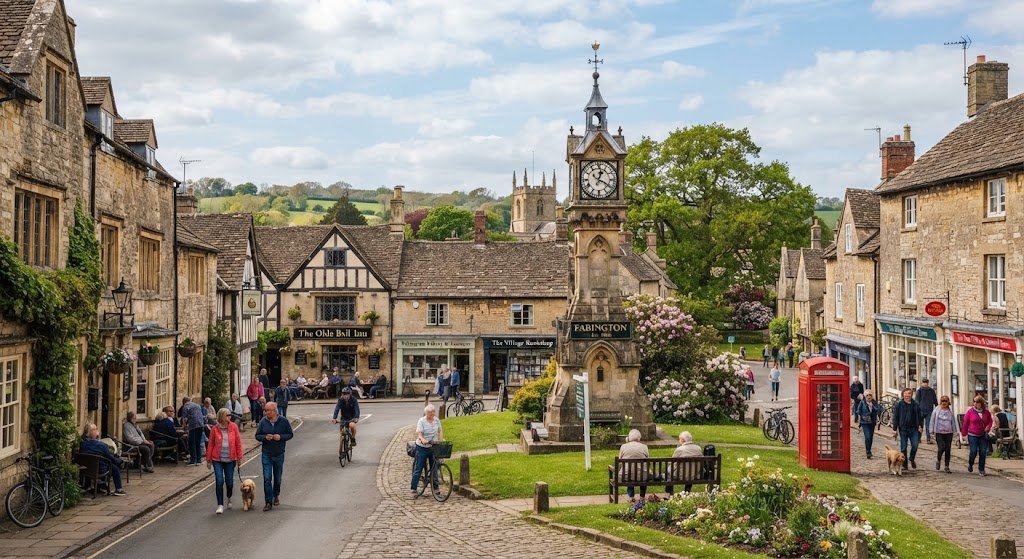
Language evolves rapidly across the internet, frequently giving rise to unique terms that spark immediate curiosity. Among these intriguing digital curiosities, Pabington has recently captured the attention of online communities, writers, and content creators. At first glance, the word carries a distinct phonetic familiarity, resembling a traditional English settlement or a classic family surname. However, unlike standard vocabulary found in traditional dictionaries, its exact origins and definitions remain wonderfully open-ended. This flexibility is precisely why internet users frequently search for the term, attempting to decipher whether it refers to a hidden geographical location, a creative pseudonym, or a broader cultural meme. Understanding this concept requires looking past the initial linguistic illusion and examining how open-ended terms function within modern digital ecosystems. By analyzing its linguistic structure, common applications, and the reasons behind its viral curiosity, readers can gain a clearer picture of how digital folklore takes shape in real time.
Overview of Pabington Attributes and Characteristics
| Attribute Category | Primary Description | Common Context |
| Linguistic Style | British-sounding suffix structure ending in “-ington” | Creative writing, fictional naming |
| Primary Status | Unverified geographic location; open-ended internet term | Digital culture, online discussions |
| Alternative Uses | Rare historical surname or fictional project label | Genealogy tracking, brand prototyping |
| Audience Appeal | Triggers natural curiosity through phonetic familiarity | Social media posts, content marketing |
The Linguistic Appeal and Phonetic Familiarity
The human brain naturally seeks patterns, and words that mimic established linguistic structures often trigger immediate recognition. When people encounter Pabington for the first time, their minds automatically link it to traditional English place names like Paddington,ington, or Abington. This occurs because the suffix “-ton” historically denotes an enclosure, farmstead, or village in Old English naming conventions. Because of this embedded linguistic heritage, the word sounds inherently authentic, even if no major town or city officially bears the name on standard government maps. Writers and digital creators leverage this phonetic illusion to evoke a specific mood of historic charm or quaint familiarity without needing to invent a complex backstory. Recognizing how phonetics influence digital perception helps explain why certain fabricated or uncommon terms spread much faster across social platforms than standard dictionary entries.
Exploring Fictional Storytelling and Creative Writing Uses
Creative writers constantly search for evocative names that instantly establish a scene’s atmosphere for their readers. In the realm of fiction, Pabington frequently serves as a flexible placeholder or primary setting for cozy mysteries, small-town dramas, or lighthearted satirical novels. Authors appreciate how a single well-chosen word can conjure images of cobblestone lanes, foggy morning mutes, and tight-knit community secrets. Because the term lacks rigid predefined boundaries, a novelist has complete freedom to shape the culture, geography, and history of the fictional location to fit their narrative needs. This adaptability prevents the creative restrictions that often come with using real-world geography, allowing authors to build immersive worlds where readers can project their own imaginations.
Digital Identity, Usernames, and Branding Potential
In an era where millions of standard handles and domain names are already claimed, finding a unique, brandable word can prove challenging for digital creators. The distinct cadence of Pabington makes it an attractive option for online personas, creative agency mockups, niche newsletters, and experimental gaming accounts. Its clean pronunciation ensures it remains memorable, while its lack of an entrenched commercial footprint gives entrepreneurs and digital artists a blank canvas. When used as a brand concept or digital pseudonym, it allows creators to stand out in crowded feeds precisely because it invites questions rather than instantly revealing its entire purpose. This strategy of utilizing ambiguous or rare terms for digital branding highlights a growing shift toward abstract, curiosity-driven marketing approaches across modern web platforms.
Separating Internet Lore from Historical Reality
Whenever an unusual term begins trending across search engines, misinformation and exaggerated claims frequently follow close behind. Some online spaces jokingly frame Pabington as a lost medieval village or a secret historical landmark, causing confusion among readers looking for factual accuracy. Geographic databases, census records, and official government mapping tools confirm that the term does not correspond to any recognized modern municipality or populated settlement. However, historical genealogy archives do show rare instances of the word appearing as an uncommon family surname in nineteenth-century British records. Maintaining a healthy distinction between playful internet folklore and verifiable historical data ensures that researchers and casual readers alike can appreciate the term for what it truly is.
The Role of Search Culture and Algorithmic Curiosity
Modern search engines thrive on user curiosity, and terms that defy instant categorization naturally generate high volumes of exploratory queries. When a wave of users searches for an unfamiliar concept, algorithmic trend detectors amplify the topic, creating a self-sustaining cycle of digital interest. Pabington serves as a textbook example of how modern internet culture can transform a simple linguistic curiosity into a widely discussed search trend. Content creators respond to this demand by publishing explainers, speculative essays, and creative pieces, further expanding the digital footprint of the term. This dynamic illustrates how search behavior shapes the visibility of abstract concepts, turning minor online phenomena into prominent subjects of digital discourse.
Best Practices for Referencing Unusual Online Terms
Navigating the vast landscape of internet culture requires critical thinking and a balanced approach to referencing unverified terms. When encountering abstract words like Pabington in articles, social media posts, or creative projects, writers should clearly distinguish between fiction and factual reporting. Treating an open-ended internet term as an established geographical location in formal academic papers or travel documents can lead to factual errors. Instead, acknowledging its status as a flexible cultural label or creative device allows communicators to use the term effectively without misleading their audience. Upholding these standards of clarity and transparency preserves content credibility while still allowing room for imaginative and playful digital expression.
FAQs
-
What does Pabington actually mean?
Pabington has no single fixed or universally accepted definition in standard English dictionaries. It functions primarily as an open-ended internet term, a creative writing label, or an uncommon digital pseudonym.
-
Is Pabington a real town or geographical location?
No verified evidence or official government mapping database recognizes Pabington as an actual town, city, or physical settlement. It is best understood as a fictional or conceptual name.
-
Why does the name sound so familiar?
The word follows a traditional British naming convention by utilizing the suffix “-ton,” which closely mirrors actual place names like Paddington or historical surnames like Babington.
-
Can Pabington be used as a brand name or username?
Yes, its distinct spelling and memorable cadence make it a popular choice for creative projects, online handles, mock company concepts, and digital artwork.
-
Where did the term originate?
While limited nineteenth-century genealogy records show rare instances of it as an uncommon surname, its modern popularity stems primarily from online curiosity and creative digital culture.
Conclusion
The fascination surrounding Pabington highlights the incredible power of language and curiosity in the digital age. What starts as a simple phonetic arrangement resembling an old English village quickly transforms into a flexible canvas for storytelling, digital branding, and online exploration. By understanding the distinction between playful internet folklore and verifiable facts, readers can better navigate the shifting trends of modern web culture. Whether encountered in a fictional novel, an online discussion, or a creative project, the term remains a testament to how human imagination continues to shape the digital lexicon. Embracing these open-ended concepts adds a layer of creativity to modern content while reminding us that not every online mystery needs a rigid, conventional definition to provide value.